Cute Star: A Playful Font for Creative Projects
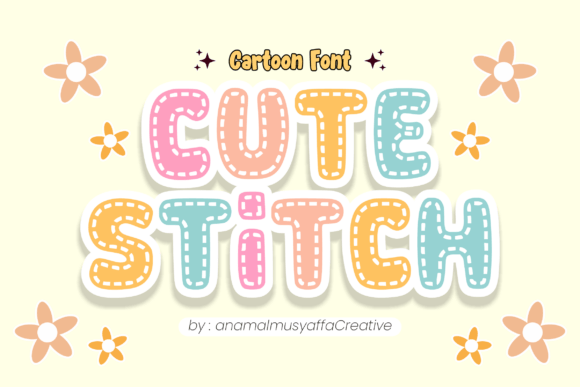
Sometimes a project needs more than just clean lines and professional neutrality. You need a typeface with personality—something that immediately communicates warmth, creativity, and a touch of whimsy. Cute Star is exactly that kind of decorative font. Its charming, hand-drawn feel makes it perfect for personal projects like journaling or greeting cards, but its versatility extends far beyond that. Whether you're designing social media graphics, crafting brand materials, or creating merchandise, this font brings a friendly, approachable vibe that helps your work stand out.
Understanding the Font's Visual Charm
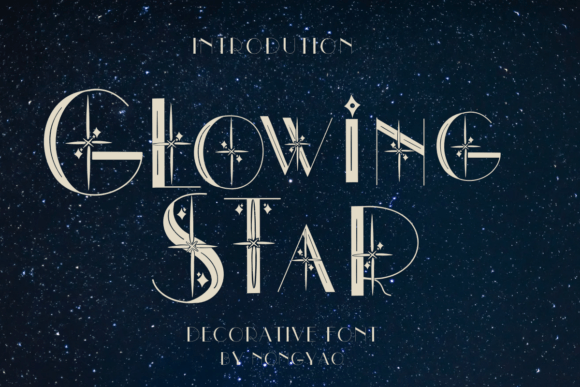
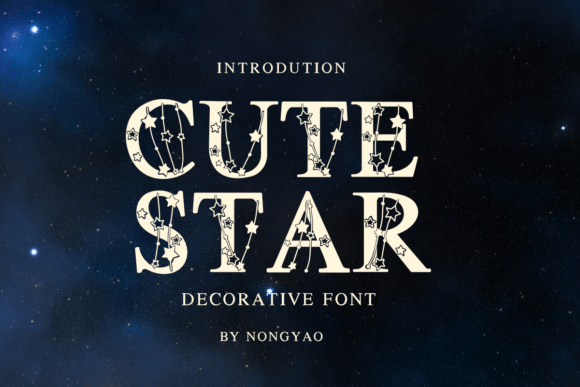
What makes Cute Star so visually appealing? At its core, it balances playfulness with readability. The letterforms have a soft, rounded quality that feels inviting, while subtle decorative elements—like gentle curves or slight irregularities—give it that hand-crafted aesthetic. Unlike overly complex display fonts, Cute Star remains clear even at smaller sizes, making it adaptable across various applications. It’s a premium font that doesn’t sacrifice function for style, which is crucial for designers who need both flair and practicality.
As a decorative typeface, Cute Star works best where you want to inject personality without overwhelming your layout. It’s not meant for lengthy body text in a report, but it shines in headlines, subheadings, logos, or any element that needs to grab attention. Think of it as your go-to creative font when you need to make a statement that feels genuine and engaging. Its style leans toward modern typography with a playful twist, making it suitable for contemporary design trends that favor authenticity and character.
Bringing Personality to Branding and Marketing
For small business owners and entrepreneurs, building a recognizable brand identity is about more than just a logo—it’s about creating a cohesive visual language. Cute Star can play a key role in that system. Imagine using it for your brand’s tagline, packaging headlines, or social media quotes. Its distinctive style helps foster brand recognition because people start associating that friendly, creative font with your business. It’s particularly effective for brands targeting families, crafters, children’s products, or any niche where approachability is a key value.
When it comes to logo design, Cute Star offers a great starting point for a wordmark or as part of a combination mark. Its unique character helps your logo feel memorable and distinct from competitors using standard sans serif or serif fonts. However, a key piece of advice: always test how it pairs with other fonts in your system. A clean sans serif or a simple serif font often makes an excellent companion for body text, ensuring your overall design remains balanced and professional. This practice of font pairing is essential for maintaining visual consistency across all your materials.
From Digital Screens to Physical Products
The true test of a versatile font is how well it translates across different mediums. Cute Star performs admirably in both digital and print environments. For content creators and marketers, it can make your Instagram quotes, Pinterest pins, or blog headers pop with personality. On websites, it’s ideal for featured banners, call-to-action buttons, or section titles that need a bit more flair than standard web fonts. Just remember to consider web font compatibility and loading times to ensure a smooth user experience.
In the realm of print and merchandise, this typeface really comes to life. Use it for designing eye-catching posters, event invitations, or thank-you cards. For those selling products, consider Cute Star for packaging design, especially for items like artisan goods, stationery, or children’s toys. It also translates beautifully onto merchandise such as mugs, t-shirts, and tote bags. The font’s clear, bold shapes ensure it remains legible when printed on various materials, making it a practical asset for your commercial projects.
Practical Tips for Using Cute Star Effectively
Choosing the right font style within a family is just as important as choosing the family itself. Check what weights and styles are included with Cute Star. Does it have bold, italic, or condensed versions? Using these variations strategically can add hierarchy and depth to your designs. For example, a bold weight might be perfect for a headline, while a regular weight works for a subheading. Always review the full character set to see what special glyphs, alternates, or ligatures are available—these can add that extra touch of uniqueness to your work.
Readability should always be your top priority. While decorative fonts are fun, they can become hard to read if overused or set at the wrong size. Use Cute Star for short bursts of text—headlines, logos, pull quotes—rather than for paragraphs. Test your designs at different sizes and on various devices to ensure clarity. Also, pay attention to letter spacing and line height; sometimes a slight adjustment can dramatically improve how easy your text is to read.
Finally, if you’re using Cute Star for commercial purposes, always double-check the licensing. A good commercial font license will cover you for a wide range of uses, from digital ads to printed merchandise. Understanding these terms upfront protects your business and ensures you can use the font confidently across all your projects, whether it’s for a client, your own brand, or products you sell.
Ultimately, Cute Star is more than just a pretty typeface. It’s a design asset that can help you communicate more effectively, build a stronger brand, and create work that resonates with your audience. By applying it thoughtfully and pairing it well, you can unlock its full potential and bring a genuinely creative touch to everything you design.