Proyale: The Elegant Serif Font for Timeless Branding
There’s a certain quiet confidence that comes with a serif font that knows exactly what it is. Proyale doesn’t shout for attention—it earns it through refined curves, balanced proportions, and a classic elegance that feels both timeless and intentionally crafted. If you’ve ever struggled to find a typeface that communicates sophistication without feeling stuffy, this might be the missing piece in your design toolkit. Whether you’re building a brand from scratch or refining an existing visual identity, the fonts you choose do more than just display words—they set a tone, build trust, and subtly guide how your audience perceives everything you create.
Where Classic Meets Contemporary
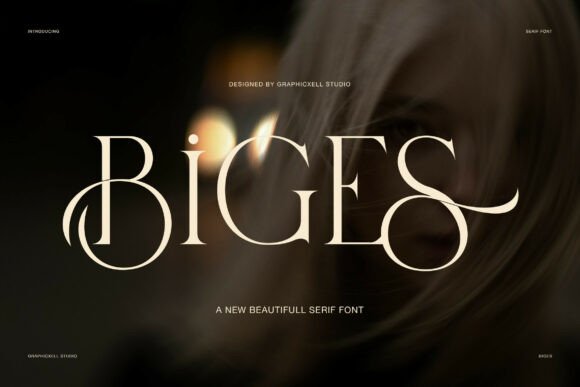
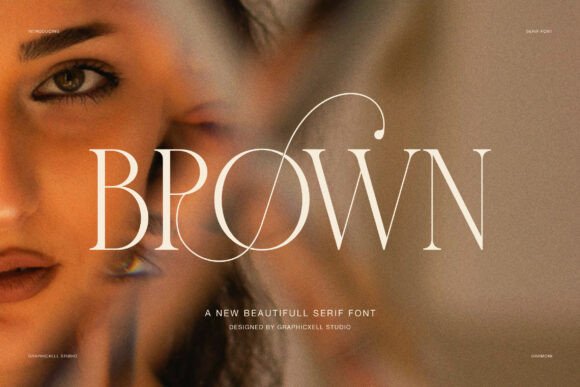
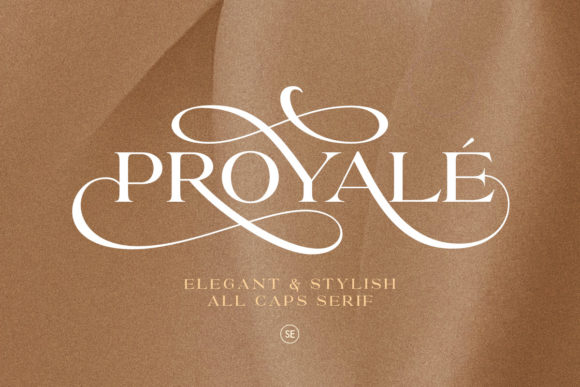
At its core, Proyale is a display serif font with a personality that bridges the gap between traditional elegance and modern clarity. Its letterforms feature delicate serifs and gentle contrast in stroke weight, giving it a polished look that remains highly readable. Unlike some overly decorative scripts or ultra-thin modern fonts, Proyale strikes a practical balance—it’s distinctive enough to be memorable, yet versatile enough to work across a variety of contexts. Think of it as the typography equivalent of a well-tailored blazer: appropriate for a gallery opening, a business meeting, or a high-end product launch.
This balance is what makes it particularly valuable for creative professionals and entrepreneurs. You’re not just choosing a pretty font; you’re selecting a visual voice that can consistently represent your ideas across different platforms and materials. From a logo on a website header to the text on a product label, Proyale maintains its character without becoming repetitive or overwhelming.
Practical Applications That Make Sense
Let’s talk about where this font actually shines in real-world projects. For branding and logo design, Proyale offers a foundation of credibility. A law firm, a boutique hotel, a luxury skincare line, or a wedding photographer could all use it to convey trust and refinement. Its elegance doesn’t alienate—it invites. Pair it with a clean sans serif for body text, and you’ve got a typographic system that feels professional and cohesive.
In packaging design, first impressions are everything. Proyale can elevate a simple label on a candle, a bottle of artisanal olive oil, or a box of gourmet chocolates. The font’s classic structure makes product names feel substantial and considered, which can directly influence perceived value. Similarly, for editorial layouts—think magazines, lookbooks, or annual reports—it provides a sophisticated rhythm that guides readers through content without fatigue.
Digital applications are just as relevant. For social media graphics, especially on platforms like Instagram or Pinterest where visual appeal drives engagement, Proyale can make quote graphics, announcement posts, or promotional materials stand out in a crowded feed. It’s also an excellent choice for website headers and blog titles, where you want to capture attention immediately while maintaining a tone of authority. Even for digital products like e-books, worksheets, or online course materials, using a consistent, legible serif font enhances readability and gives your content a polished, professional finish.
Building a Visual System That Works
One of the most common challenges in design is achieving visual consistency. A brand that uses five different fonts across its website, social media, and print materials often feels disjointed and unprofessional. Proyale can serve as the anchor in your typographic hierarchy. Use its bold or italic styles for emphasis, and pair it with a complementary sans serif or even a subtle script for variety. The key is to establish rules and stick to them—this is how you build recognition and trust over time.
Consider how major brands use typography. They don’t change their font every season; they choose a system and apply it consistently. You can do the same, even on a smaller scale. If you’re a small business owner creating flyers, business cards, and social posts, using Proyale as your primary serif font creates a subtle thread that ties everything together. Customers might not consciously notice the font, but they’ll feel the coherence—and that feeling translates into professionalism.
When testing font pairings, don’t just eyeball it on your computer screen. Print out samples, view them on different devices, and check readability at various sizes. A font that looks stunning in a headline might become difficult to read in a long paragraph. Proyale’s design holds up well at both large and medium sizes, but always test in context. Look at how it interacts with your color palette, imagery, and overall layout. Typography doesn’t exist in a vacuum—it’s part of a larger visual conversation.
Considering the Practical Details
Before you commit to any font for a commercial project, it’s wise to review the licensing terms. Proyale is available as a premium font, which typically means it comes with a license that covers commercial use. Always verify what that license includes—can you use it in client work? On merchandise? In digital products for sale? Understanding these details upfront prevents legal headaches down the road.
Also, take time to explore the full font family. Does it include multiple weights (light, regular, bold, black)? Are there italic versions? What about alternate characters or ligatures? These additional styles give you flexibility. For example, you might use a heavier weight for impactful headers and a lighter one for elegant subheadings. Having these options within a single font family ensures cohesion while allowing for creative variation.
Finally, remember that the best font is one that serves your specific goals. If your project demands a playful, casual vibe, a serif like Proyale might not be the right fit. But if you’re aiming for sophistication, clarity, and a touch of classic beauty, it’s certainly worth exploring. Try it out in a mockup, see how it feels with your content, and trust your instincts. Good design is often about finding the right tool for the job—and sometimes, that tool is a beautifully crafted serif typeface that does its job so well, you almost forget it’s there.