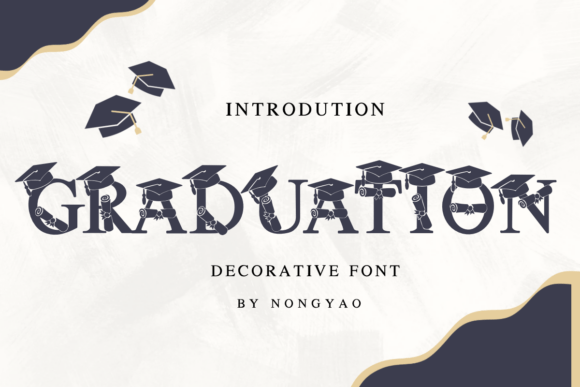
Graduation: A Font That Brings Warmth and Personality to Any Project
There’s a certain charm in handwriting that feels personal yet polished—like a note from a friend or a carefully crafted invitation. That’s the feeling the Graduation font captures so well. It’s a decorative typeface with a friendly, approachable vibe, perfect for projects that need a touch of warmth without sacrificing clarity. Whether you’re designing a greeting card, jotting down ideas in a diary, or creating social media posts that stand out, Graduation offers versatility that many fonts miss. It’s the kind of font that makes people pause and take notice, not because it’s loud, but because it feels genuine.
A Font Built for Real-World Creativity
What makes Graduation work so well across different applications? Its design strikes a balance between playful and professional. The letterforms have a soft, rounded quality that feels inviting, yet they maintain enough structure to remain readable even at smaller sizes. This isn’t a font that tries to be everything at once—it knows its personality and leans into it. For designers, that means fewer headaches when pairing it with other typefaces. For small business owners, it means a reliable choice for branding materials that need to connect with customers on a human level.
Think about the last time you saw a logo that felt cold or impersonal. Maybe it was too sleek, too corporate, or just forgettable. Graduation helps avoid that trap. Its handwritten aesthetic adds a layer of authenticity that can make a brand feel more relatable. Imagine a local bakery using it for their packaging—the font’s friendly curves could mirror the warmth of freshly baked goods. Or picture a wellness coach using it for their website headers, where the soft letterforms complement messages of care and mindfulness. It’s these subtle alignments between font and message that elevate design from good to memorable.
From Branding to Everyday Projects
One of the strengths of Graduation is its adaptability. It’s not just for one type of project; it can move seamlessly between different mediums and contexts. For instance, in logo design, the font can serve as a primary typeface for brands that want to appear approachable and creative. Paired with a clean sans serif for body text, it creates a visual hierarchy that guides the eye without overwhelming it. This kind of font pairing is essential for maintaining readability while still injecting personality into your designs.
On social media, where attention spans are short, Graduation can help your graphics stand out in a crowded feed. Its decorative nature makes it ideal for quotes, announcements, or promotional posts that need to capture interest quickly. But remember, readability is key here. Testing the font at different sizes and against various backgrounds ensures your message gets across clearly. A quick tip: use it for headlines or short phrases rather than long paragraphs of text. This keeps the design clean and the impact strong.
For print materials like posters, invitations, or stationery, Graduation adds a handcrafted feel that digital-only fonts sometimes lack. It’s perfect for wedding invitations, event flyers, or thank-you cards where a personal touch matters. And if you’re creating merchandise—think mugs, t-shirts, or tote bags—the font’s distinctive style can turn everyday items into something special. It’s all about using typography to tell a story, and Graduation gives you the tools to do just that.
Practical Tips for Using Graduation Effectively
Choosing the right font is only half the battle; using it well is what truly makes a difference. Start by considering the mood of your project. Graduation works best for designs that aim to be friendly, creative, or nostalgic. If you’re working on a corporate report or a technical manual, it might not be the best fit—but for a blog header, a podcast cover, or a children’s book, it could be exactly what you need.
Next, think about font pairings. Graduation’s decorative nature means it pairs well with simpler, more neutral typefaces. A classic serif or a clean sans serif can balance its personality without competing for attention. For example, using Graduation for headings and a font like Open Sans or Lora for body text creates a harmonious layout that’s easy to read. Always test your pairings in context—what looks good in a design tool might feel different on a printed page or a mobile screen.
Readability should never be an afterthought. While Graduation is designed to be legible, it’s still a display font, meaning it shines in larger sizes or shorter bursts of text. Avoid using it for dense paragraphs or small print. Instead, let it shine where it can make the most impact: titles, quotes, logos, or call-to-action buttons. If you’re using it for web design, check how it renders across different browsers and devices. A font that looks perfect on your desktop might need adjustments for mobile viewing.
Lastly, consider the practical side of licensing. If you’re using Graduation for commercial projects—like client work, merchandise, or marketing materials—make sure you have the appropriate license. Many premium fonts offer different tiers for personal and commercial use, so it’s worth reviewing the terms before you start. This not only protects you legally but also supports the designers who create these valuable assets.
Making Graduation Part of Your Design Toolkit
In a world where visual communication is everything, having the right fonts in your toolkit can set you apart. Graduation isn’t just another decorative typeface; it’s a versatile tool that can enhance everything from brand identity to personal projects. Its strength lies in its ability to feel both special and approachable—a rare combination that makes it useful for a wide range of applications.
Whether you’re a content creator looking to add personality to your graphics, a small business owner crafting a brand that feels authentic, or a designer exploring new creative possibilities, Graduation offers a fresh perspective. It reminds us that typography isn’t just about letters on a page—it’s about emotion, connection, and communication. So next time you’re starting a new project, consider giving Graduation a try. You might be surprised at how much warmth and character it brings to your work.