Retro Flower: Infusing Nostalgia and Nature into Your Typography
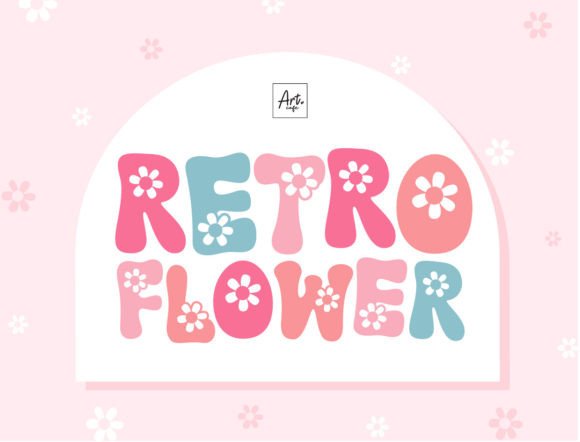
There is a specific type of visual language that immediately transports you to a sun-drenched afternoon in the late 1970s. It evokes the smell of fresh cut grass, the texture of a corduroy sofa, and the effortless cool of a vintage band t-shirt. For designers and brand strategists today, tapping into that nostalgic vein is a powerful tool for connection. Enter the Retro Flower Font. It isn’t just a typeface; it is a delicate intertwining of character and flora. Each letter is meticulously crafted to incorporate a delightful daisy motif, capturing the buoyant spirit of Spring and the warmth of affection. Whether you are designing for a feminist collective, curating a Mother’s Day campaign, or simply looking to inject a bit of "flower power" into your digital presence, this typeface offers a unique blend of vintage charm and modern utility.
The Anatomy of a Flower-Powered Typeface
When we talk about a premium font like this, we aren't just discussing legibility; we are discussing personality. The Retro Flower typeface belongs to the category of display fonts, meaning it is designed to be seen and admired, often used for headlines rather than long body text. Its visual appeal lies in its ability to balance the organic curves of nature with the geometric structure of typography. Unlike a standard serif font or a clean sans serif font, this design is unapologetically decorative. The "retro" aspect suggests a nod to mid-century aesthetics—think bold lines and optimistic shapes—while the floral integration adds a layer of softness.
This unique combination makes it a standout choice for projects that need to convey specific emotions. It doesn't just say "buy this"; it says "feel this." For small business owners, particularly those in the lifestyle, wellness, or children's sectors, the font does the heavy lifting of establishing a mood. It communicates a sense of care and attention to detail that generic typefaces often miss. It is the typographic equivalent of receiving a handwritten note adorned with pressed flowers—personal, thoughtful, and memorable.
Creative Applications: From Packaging to Digital Storefronts
Understanding where to deploy such a distinct creative font is key to maximizing its impact. Because of its intricate details, the Retro Flower font shines brightest in specific applications where it has room to breathe and be appreciated.
- Branding and Logo Design: If you are launching a boutique skincare line, a floral shop, or a vintage clothing brand, this font can serve as the cornerstone of your brand identity. It instantly sets a tone that is friendly, approachable, and aesthetically driven. However, for logo design, ensure the legibility holds up at very small sizes, or plan to use it primarily for a stylized wordmark.
- Packaging Design: On a shelf, details matter. This typeface works beautifully on box exteriors, sleeve designs, or product labels where you want to catch the eye of the wandering shopper. It adds a tactile quality to packaging design, suggesting that the product inside is crafted with artisanal care.
- Social Media and Web Design: In the fast-scrolling world of Instagram or Pinterest, a distinctive header can stop a thumb. Use this font for quote graphics, sale announcements, or story highlights. In web design, it serves as an excellent hero text for landing pages, paired with a clean sans-serif for the body copy to ensure the page remains functional.
- Print Materials and Merchandise: Think beyond the screen. This font is perfect for editorial design elements in magazines, playful t-shirt graphics, tote bags, or invitations for spring weddings and baby showers. Its structure holds up well in screen printing and embroidery, provided the scale is appropriate.
Strategic Typography: Pairing and Professional Presentation
Using a highly stylized font like Retro Flower requires a bit of strategic planning to maintain visual consistency and professional presentation. The golden rule of typography applies here: contrast is your friend. Because the Retro Flower font is decorative and complex, it pairs best with simpler typefaces.
Try matching it with a geometric sans-serif or a light, airy serif font. This creates a hierarchy that guides the reader's eye. The Retro Flower font handles the "emotional" work of the headline—drawing the viewer in with its charm—while the secondary font handles the "logical" work of the details and body text. This balance ensures that your design doesn't become visually cluttered.
Furthermore, consider the medium. If you are creating marketing assets for a digital product, ensure there is enough padding around the text so the floral details don't get cut off. If you are using it for print materials, request a proof to see how the ink interacts with the paper stock; glossy paper might make the fine details pop, while matte paper could soften them into a vintage vibe. Testing these pairings and prints beforehand is what separates a novice crafter from a professional designer.
Resonating with Your Audience
Ultimately, the goal of any design asset is to resonate with the end user. The Retro Flower font has a unique psychological advantage here. Flowers are universally understood symbols of growth, beauty, and positivity. By integrating this into your typography, you are subliminally reinforcing those associations with your brand.
This is particularly potent for specific demographics. For children’s creative projects, the whimsical nature of the font sparks imagination. For feminist endeavors or women-led businesses, the floral motif can be recontextualized as a symbol of strength and organic growth—a "flower power" for the modern era. It moves away from the cold, corporate feel of standard business fonts and embraces a more human, tactile aesthetic.
When selecting your font style, always ask: Who is reading this, and what do I want them to feel? If the answer involves warmth, nostalgia, creativity, or nature, then a typeface that literally blooms off the page is likely your best bet. It helps improve audience engagement because it offers a visual break from the monotony of standard web and print fonts.
Licensing and Long-Term Utility
Before integrating any new typeface into your workflow, it is essential to review the licensing. Most high-quality display fonts come with specific terms regarding commercial font usage. Check whether the license covers the number of users in your agency, or if it covers digital products for sale (like printable planners). Some licenses are distinct for web design versus merchandise. Ensuring you have the correct rights protects your business and respects the artist's work.
In summary, the Retro Flower font is more than just a nostalgic throwback. It is a versatile tool for modern typography that bridges the gap between the past and the present. By using it thoughtfully—balancing its decorative nature with clean pairings and strategic placement—you can elevate your visual communication, making your brand not just seen, but truly felt. It brings a new floral essence to your work, ensuring your next project is assuredly captivating.