Margita Signature: Where Handwritten Charm Meets Professional Polish
You know that feeling when a design just feels… personal? Like it was crafted by a human hand rather than spit out by a machine? That’s the magic a font like Margita Signature brings to the table. It’s not just another script typeface; it’s a carefully crafted tool designed to infuse your projects with the warmth, authenticity, and nuanced beauty of real handwriting. In a world saturated with sterile digital text, this kind of premium font can be the secret ingredient that makes your brand or project stand out with genuine character.
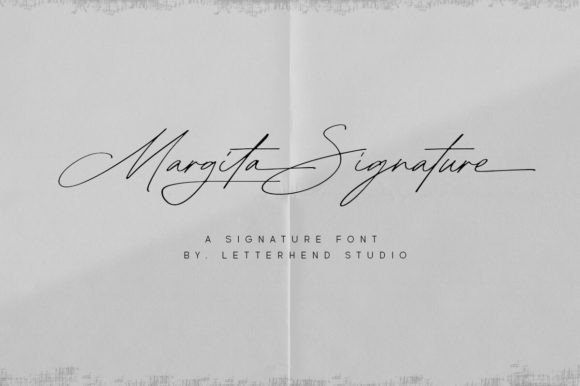
At its core, Margita Signature is a script font built from the ground up to mimic the fluid, organic strokes of manual calligraphy. What sets it apart from many other handwritten fonts are the thoughtful details: stylistic alternates that let you customize the look of specific letters, elegant ligatures that connect characters seamlessly, and a masterful play between thick and thin strokes. These features work together to create a rhythm and visual interest that feels truly hand-lettered. It’s this attention to natural variation that prevents it from looking like a static, repetitive pattern. Instead, it flows with an authentic, human touch that’s perfect for projects where personality and connection matter most.
The Art of Authentic Branding and Logo Design
For designers and business owners, choosing a typeface for a brand identity is a critical decision. You’re not just picking letters; you’re selecting a voice. A font like Margita Signature is a powerful choice for brands that want to communicate elegance, creativity, or a personal, boutique feel. Imagine it as the cornerstone of a logo design for a wedding planner, a high-end bakery, a boutique fashion label, or a lifestyle blog. The flowing script immediately conveys a sense of craftsmanship and care, setting the stage for a brand experience that feels curated and special.
Beyond the primary logo, this display font shines across all branding materials. Use it for monograms, taglines, or the brand name on business cards and letterheads to maintain a consistent, elegant aesthetic. The key to effective use here is balance. Pair it with a clean, minimalist sans serif font for body text to ensure readability. This contrast allows the signature font to command attention as a headline or accent element without overwhelming the viewer. The goal is to create a visual hierarchy where the handwritten style adds flair and personality, while the supporting typography ensures clarity and professionalism in longer text blocks.
Elevating Print and Digital Collateral
Think about the tangible items that define a customer’s interaction with a brand. The unboxing experience of packaging design, the tactile feel of a wedding invitation, or the layout of a lookbook. Margita Signature excels in these print materials. Its detailed letterforms are designed to reproduce beautifully, whether printed on textured paper, embossed, or foil-stamped. For packaging design, it can add a premium, artisanal quality to labels for cosmetics, gourmet foods, or handcrafted goods. On invitations and greeting cards, it sets a formal yet intimate tone, making recipients feel personally addressed.
In the digital realm, its utility is just as strong. As a creative font, it can transform social media graphics, making quotes, announcements, and promotional posts feel more engaging and shareable. For web design, use it strategically in hero sections, as pull quotes in blog posts, or for special call-to-action buttons to draw the eye and inject personality. When used in editorial design for magazines or digital lookbooks, it can create stunning chapter titles or feature headlines that pull readers into the story. The font’s inherent style helps improve audience engagement by making content feel more curated and visually dynamic.
Practical Tips for Seamless Integration
Adopting a distinctive font like this requires a bit of strategy. First, always consider your project’s primary goal and audience. While Margita Signature is versatile, its modern typography vibe leans towards elegance and creativity. It might be perfect for a yoga studio’s website but less so for a corporate law firm’s annual report. Context is everything.
Next, master the art of font pairing. As mentioned, pairing it with a neutral serif font or a geometric sans serif font is a classic move that ensures legibility. Test different combinations to see what complements the script’s style without competing with it. For instance, a font like Montserrat or Playfair Display can create a beautiful, balanced dialogue on the page.
Don’t forget to explore the full toolkit the font provides. Many commercial fonts, including this one, come with stylistic alternates and ligatures. Take the time to experiment with these in your design software (like Adobe Illustrator or Canva) to customize the look and avoid repetition in longer words or phrases. This small effort can make a huge difference in achieving that authentic, hand-crafted feel.
Finally, always check the licensing. Since this is a premium font, ensure you have the correct license for your intended use—whether it’s for a single client project, a product you sell (like merchandise or templates), or unlimited personal use. Understanding the terms protects you and respects the work of the type designer.
A Versatile Tool for the Creative Toolkit
Ultimately, Margita Signature is more than just a display font; it’s a versatile design asset that can help solve specific visual communication challenges. It improves visual consistency across a brand by providing a signature style that’s instantly recognizable. It boosts professional presentation by adding a layer of sophistication and intentionality that generic fonts lack. And it enhances readability in short-form contexts by capturing attention with its unique form.
Whether you’re a small business owner crafting your first brand identity, a designer working on packaging design for a client, a content creator looking to beautify your digital presence, or a crafter designing personal stationery, having a font like this in your collection opens up a world of creative possibilities. It reminds us that in design, the details—the swash of a ‘g’, the connection of a ‘t’ and ‘h’—are what transform the ordinary into the memorable. It’s about choosing typography that doesn’t just convey words, but also feeling and intention.