Boho Love: The Quirky Font Your Creative Projects Need
Every designer knows the feeling: you're staring at a blank canvas, a new brand brief in hand, or a social media template that needs to pop, and you're hunting for that one element that ties everything together. You need something with personality, something that feels fresh and handcrafted but still polished enough for commercial use. This is where a truly distinctive typeface enters the picture, transforming a standard layout into a memorable visual story. One such asset that’s been gaining traction for its unique charm is a decorative color font that brings a playful, artistic vibe to any project it touches.
Understanding Its Unique Visual Appeal
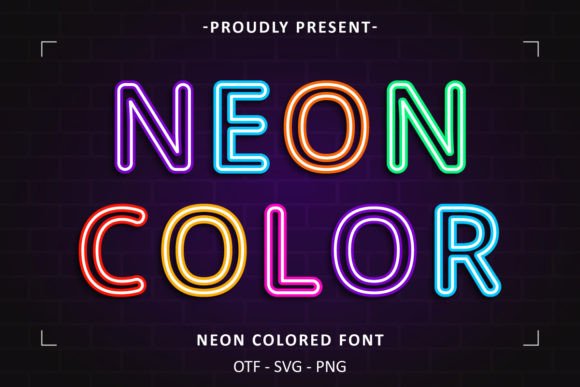
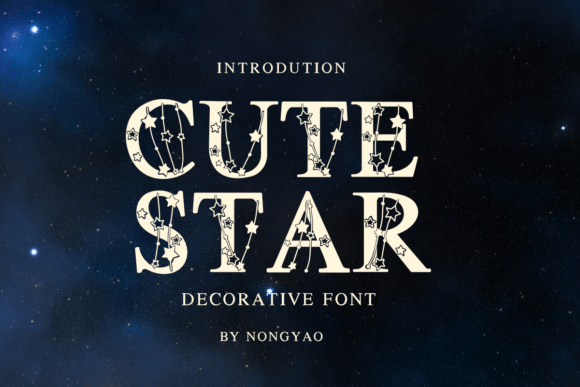
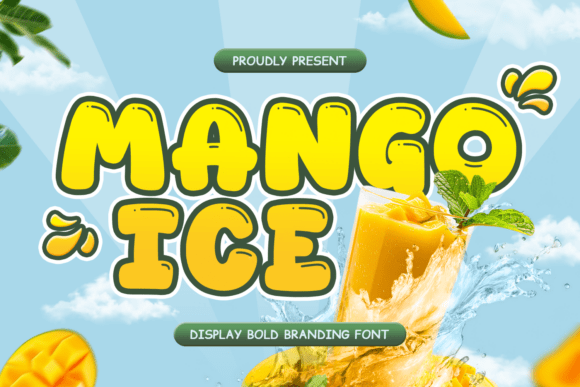
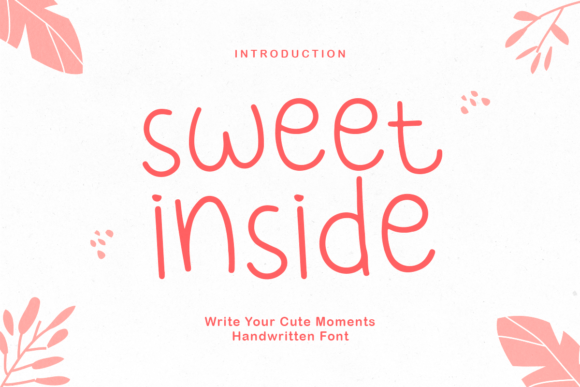
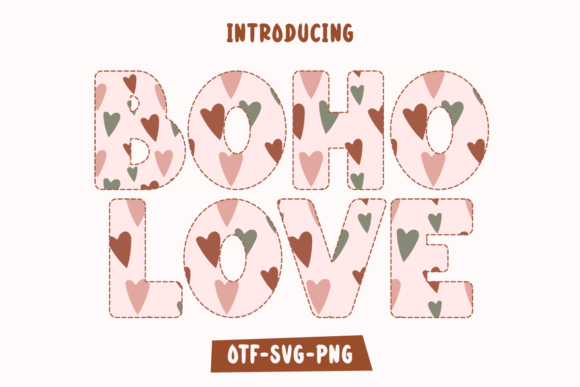
So, what exactly sets this particular font apart in a sea of modern typography? It’s a decorative color font, which means it arrives with built-in color, moving beyond simple black outlines. This characteristic alone makes it a standout design asset. The letterforms are a blend of whimsy and structure, featuring elements that feel both hand-drawn and carefully composed. It’s not a traditional serif font or a clean sans serif font; instead, it occupies a fun space between a playful script font and a bold display font. This quirky, fun personality makes it an instant conversation starter. It’s the kind of typeface that can make a product label feel artisanal, a wedding invitation feel personal, and a social media graphic feel undeniably engaging.
Where This Creative Font Truly Shines
The true value of a premium font lies in its versatility. This isn’t a one-trick pony meant only for a single application. Its cute and fun demeanor makes it surprisingly adaptable across a wide range of creative and commercial projects. For logo design, it can be the hero element for brands targeting a youthful, creative, or lifestyle-oriented audience—think boutique bakeries, handmade jewelry lines, or indie craft studios. In packaging design, it helps products jump off the shelf, conveying a sense of care and creativity that generic fonts simply can't match.
For digital creators, it’s a powerhouse. Imagine using it for social media graphics on Instagram or Pinterest; its inherent visual interest can boost engagement and make your feed instantly recognizable. It works beautifully for blog headers, website banners, and digital product covers, adding a layer of polished personality. Beyond the screen, it excels in print materials like posters, event invitations, and editorial layouts in magazines or lookbooks. Entrepreneurs can leverage it for marketing assets—think email newsletter headers, sale announcements, and thank-you cards that leave a lasting impression. Even merchandise like t-shirts, tote bags, and mugs can be elevated with its distinctive style.
Practical Tips for Effective Implementation
Adopting a new display font into your toolkit requires some thoughtful strategy to ensure it enhances rather than overwhelms your work. First, consider your project goals. Is the primary aim to be eye-catching, or does it need to convey detailed information? This font is perfect for headlines, pull quotes, and short, impactful phrases where its personality can be fully appreciated. For longer blocks of text, pairing it with a highly legible sans serif font or a simple serif font is crucial for maintaining readability.
Font pairing is an art. Experiment with combinations. Try setting your main headline in this decorative font and using a clean, geometric sans serif for subheadings and body copy. This creates a clear visual hierarchy and ensures your message is both seen and read. Always test your designs at multiple sizes. What looks charming on a large poster might become illegible as a tiny favicon or on a mobile screen. Pay close attention to how the colors within the font render across different devices and in print.
Finally, review the included font styles and licensing. A robust font family might include alternates, ligatures, or multiple color variations that give you even more creative control. Understanding the commercial license is non-negotiable. Ensure the license covers your intended use, whether it’s for client work, products for sale, or internal projects. This due diligence protects you legally and is a hallmark of professional practice.
Elevating Your Brand Identity with Distinctive Typography
In a crowded marketplace, brand recognition is everything. Typography is a silent ambassador for your brand’s values and personality. Incorporating a unique, memorable font like this one into your brand identity can set you apart. It signals creativity, attention to detail, and a willingness to break from the mundane. When used consistently across your touchpoints—from your website to your packaging to your social media—it builds a cohesive and professional presentation that audiences learn to trust and recognize.
However, balance is key. A font with this much character should be used strategically, not universally. Reserve it for key elements that you want to highlight. This approach maintains its impact and ensures your overall design remains clean and focused. Think of it as the statement piece in an outfit—it’s meant to draw the eye and express individuality, but it works best when complemented by simpler, supporting elements.
Ultimately, the right creative font does more than just display words; it conveys emotion, tells a story, and connects with people on an aesthetic level. It’s a tool that empowers you to communicate your brand’s unique voice visually. By choosing a typeface that aligns with your audience and goals, and by implementing it with care, you invest in the long-term visual consistency and appeal of everything you create. It’s these thoughtful details that transform good design into great, engaging communication.