The Skinny: A Typeface for Modern Minimalist Elegance
Finding the perfect typeface for a minimalist project can feel like searching for a whisper in a noisy room. You need something that commands attention through subtlety, not volume. This is where a font like The Skinny enters the conversation. It’s not just another tall, thin font; it’s a design tool built for projects that demand a specific kind of quiet confidence. Imagine a boutique hotel’s signage, the label on a small-batch olive oil, or the header of a luxury lifestyle blog. The typography in these scenarios isn’t just conveying words—it’s setting a mood, communicating a brand’s core aesthetic of refined simplicity and human touch.
Understanding Its Visual Voice
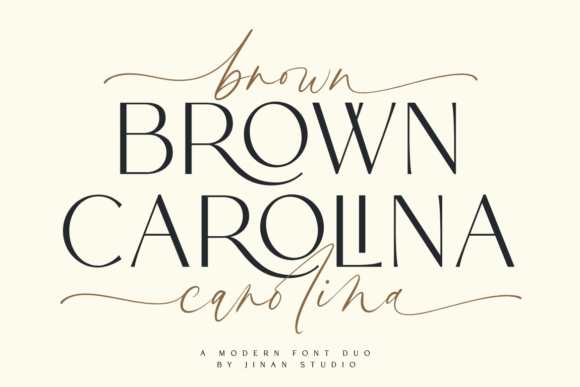
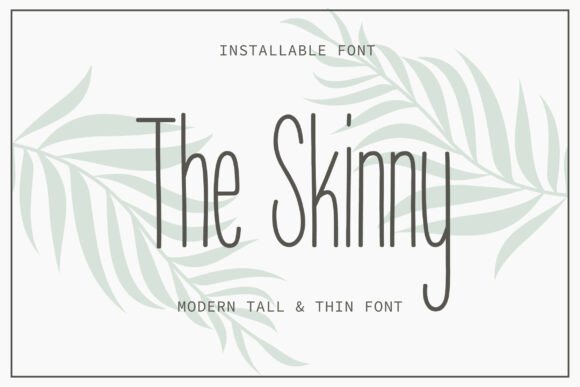
At its heart, The Skinny is a modern display typeface characterized by its slender, monolinear strokes and an exaggerated x-height. This isn't technical jargon for the sake of it. Practically speaking, the tall lowercase letters (the x-height) make the font feel more substantial and readable at a glance than many ultra-thin fonts, which can sometimes disappear on a busy background. The hand-drawn silhouette is its secret weapon. The strokes aren't perfectly geometric; they have a gentle, organic quality, and the rounded terminals (the ends of the letters) soften the entire look. The result is a typeface that feels both sophisticated and approachable—polished enough for a premium brand, yet warm enough for a creative studio.
This duality makes it exceptionally versatile. It avoids the coldness that some minimalist fonts can project. Instead, it carries a sense of "airy sophistication and contemporary grace," as described. For a designer, this means you can use it to elevate a project without making it feel sterile or overly corporate. It’s a premium font that acts as a bridge between high-end elegance and artisanal authenticity.
Where This Typeface Truly Shines
Knowing a font looks good is one thing; knowing where to apply it is what brings real value. The Skinny’s character makes it a natural fit for specific creative and commercial applications where its strengths are amplified.
- Boutique Branding & Logo Design: For brands in fashion, beauty, wellness, or artisanal goods, a logo sets the tone. The Skinny’s elegant lines are perfect for creating a wordmark that feels exclusive and refined. Paired with a simple sans-serif or a classic serif font for body text, it establishes a clear visual hierarchy and a memorable brand identity.
- Packaging Design: On a shelf or in an online store, packaging is your first handshake with a customer. Using this typeface for product names, taglines, or key descriptors on labels for cosmetics, specialty foods, or stationery adds an instant layer of perceived quality and care. Its readability ensures the product name is clear, even from a distance.
- Social Media & Digital Presence: In the fast-scroll world of Instagram, Pinterest, and TikTok, visual consistency is key. The Skinny works beautifully for creating cohesive social media headers, quote graphics, and story overlays. It helps a feed look curated and professional, which can significantly boost audience engagement and brand recognition.
- Web Design & Blogs: While not for body copy, it’s a standout choice for website headlines, navigation menus, and hero section text. For a lifestyle blog, a design portfolio, or a boutique e-commerce site, it sets a sophisticated tone from the moment a visitor lands on the page.
- Print & Editorial: Think wedding invitations, event programs, magazine mastheads, or poster headlines. Its elegant presence makes it ideal for any print material where you want to make a stylish, memorable impression without overwhelming the overall design.
Making It Work for Your Project
Integrating any new font into your workflow requires a bit of strategy. Here’s how to think about using The Skinny effectively to meet your project goals.
Font Pairing is Everything. The Skinny is a strong personality font, so it often works best when paired with something more neutral. A clean, geometric sans-serif (like Montserrat or Lato) can create a modern, balanced look. For a more classic or editorial feel, a traditional serif (like Garamond or Baskerville) can provide beautiful contrast. The key is to let The Skinny handle the headlines and key phrases, while its partner handles the longer, readable text. Always test pairings side-by-side in your actual design context.
Consider the Medium and Size. As a display font, its primary role is at larger sizes. At very small sizes, its thin strokes might reduce legibility, especially on lower-resolution screens or in dense body copy. Always test your designs at the intended viewing size. A social media graphic viewed on a phone has different requirements than a poster seen from across a room.
Review the Included Styles. A quality premium font often comes with more than one weight. The Skinny might include variations like Light, Regular, or even a slightly bolder option. These styles give you flexibility within the same typeface family, allowing you to create subtle hierarchies while maintaining perfect visual consistency across all your brand touchpoints.
Licensing for Commercial Use. This is a crucial, often overlooked step. If you’re using the font for client work, merchandise, or any project where you’ll generate revenue, you need to ensure you have the correct commercial license. Reputable font foundries are clear about this. Purchasing a license isn’t just a legal necessity; it’s an investment in the tools that support your business and respect the work of the type designers.
Beyond the Font File: Building a Visual System
Ultimately, a typeface like The Skinny is more than just a collection of letters. It’s a component in your larger visual communication system. When chosen thoughtfully, it becomes a shorthand for your brand’s values—whether that’s minimalist elegance, artisanal craft, or modern sophistication. It helps create that signature look that makes your headlines and key messages instantly recognizable.
The true test is in the application. Download a specimen sheet, mock it up on a sample business card, a social media post, or a product label. See how it feels in context. Does it communicate the right emotion? Does it work with your color palette and imagery? When a font clicks, it stops being just a design asset and starts feeling like an integral part of your project’s voice. For many minimalist and lifestyle-focused designs, The Skinny has the potential to be that unifying, elegant thread that ties everything together with effortless grace.