Rediscovering Vintage Charm: The Ultimate Retro Font Toolkit
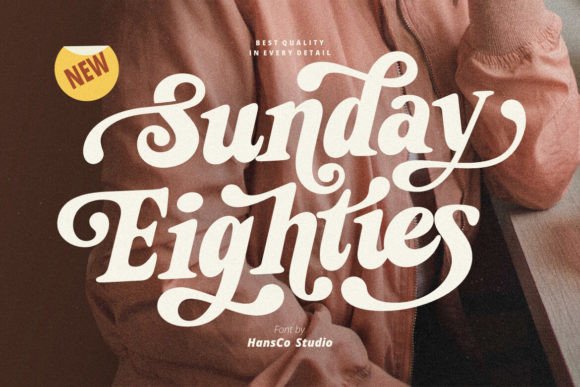
There is a certain magnetic pull toward the past in modern design. We see it in the resurgence of vinyl aesthetics, the popularity of film photography filters, and the enduring appeal of mid-century modern furniture. In typography, this nostalgia translates into a demand for typefaces that feel human, textured, and full of personality. Finding the right retro fonts collection isn't just about picking a style that looks "old"; it is about capturing the warmth and authenticity that modern, sterile sans-serifs often lack. If you have been searching for a way to inject soul into your projects, a curated bundle of vintage-inspired typefaces is often the missing puzzle piece.
The Psychology of Nostalgia in Branding
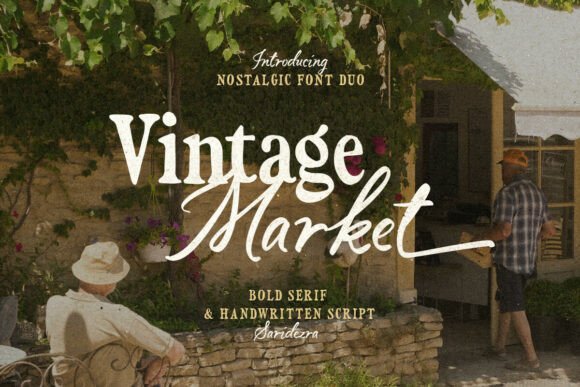
When you utilize a vintage typeface, you are doing more than decorating a page. You are triggering an emotional response. For a small business owner or entrepreneur, this is a powerful marketing tool. A script font with a hand-lettered feel can make a bakery’s packaging look homemade and trustworthy. A bold, groovy display font can make a music festival poster feel energetic and fun.
The visual characteristics of a retro fonts collection often include irregular baselines, ink traps, and textured edges. These imperfections are actually their greatest strength. They suggest that a human hand was involved in the creation, which fosters a deeper connection with the audience compared to the cold precision of geometric sans serif fonts. Whether you are building a brand identity for a coffee shop or designing a wedding invitation, the right typography sets the mood before the reader even processes the words.
Exploring the Styles: From Fresh Almond to East Kind
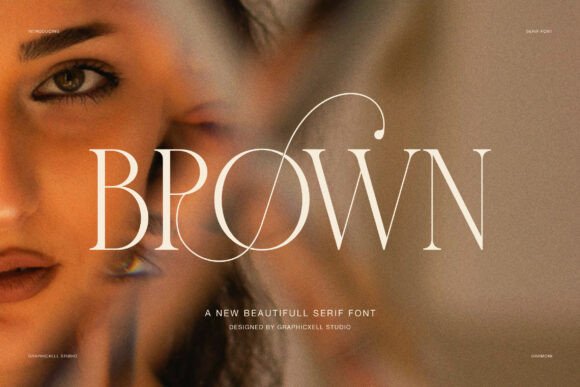
A high-quality bundle offers versatility. You rarely need just one "retro" look; you need a spectrum. A well-rounded retro fonts collection usually includes a mix of serif, sans, and script options to handle different hierarchy needs in editorial design and web design.
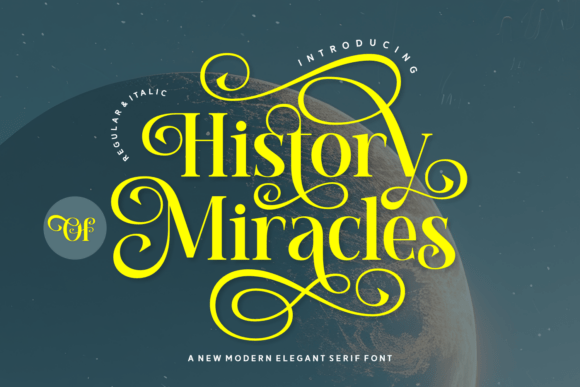
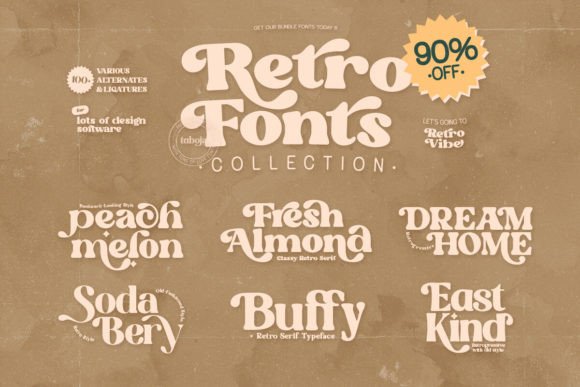
Consider the variety found in a comprehensive pack. You might find styles like the Fresh Almond Font, which often carries a mid-century charm perfect for logotype design. Then there are styles like the Peach Melon Font or Sodabery Font, which typically embody the playful, bubbly aesthetic of the 1970s—ideal for social media graphics and packaging design. For more elegant needs, something like the Dream Home Font or Buffy Font might offer a sophisticated script font or serif font look suitable for magazines and merchandise. Meanwhile, a style like the East Kind Font could provide a sturdy, readable option for body text or signage.
Having access to these varied design assets allows you to mix and match. You can pair a bold display header with a clean, vintage sans-serif for your body copy, ensuring your visual consistency remains intact while keeping the layout interesting.
Practical Applications for Modern Creators
How do you actually use these fonts in a way that feels fresh rather than dated? The key is context and contrast. Here are a few ways to leverage a premium font bundle for commercial success:
- Digital Products & E-Commerce: If you sell digital planners or printable art on Etsy, a handwritten font adds a personal touch that customers value. It makes the product feel bespoke.
- Social Media Marketing: Algorithms favor engagement. A striking display font on an Instagram quote post or a Pinterest pin stops the scroll. The uniqueness of a creative font helps your content stand out in a sea of standard Arial and Helvetica.
- Web Design: While you shouldn't use a heavy retro font for long paragraphs of web copy (readability is king), using it for hero headers, navigation menus, or call-to-action buttons can define the entire vibe of a website.
- Merchandise: T-shirts, tote bags, and mugs thrive on typography. A commercial font with a retro vibe is often the primary design element itself. Think of classic band tees or vintage national park posters—the typeface is the art.
The Technical Edge: PUA Encoding and Glyphs
Aesthetics are vital, but functionality is non-negotiable for professional designers. One of the most significant features to look for in a retro fonts collection is PUA encoding (Private Use Areas). If you are not a typography expert, this might sound technical, but it is actually a massive time-saver.
PUA encoding means that all the extra swashes, ligatures, and alternate characters hidden within the font file are fully accessible. You don't need expensive design software to use them. Whether you are working in Adobe Illustrator or a simple drag-and-drop web builder, you can access these special characters to customize your text. This allows you to create truly unique logo designs. You can add a flourish to the end of a script word or swap out a standard letter for a stylistic alternative to ensure your brand recognition is distinct.
Tips for Choosing the Right Typeface
With so many options in a bundle, it can be tempting to use them all at once. Resist that urge. Here is some practical advice for matching typography to project goals:
- Define the Era: "Retro" is broad. Are you going for 1950s Diner (think bold serifs and scripts), 1960s Psychedelic (think bubbly and distorted), or 1970s Disco (think thin serifs and wide sans-serifs)? Pick the font that matches your specific time period.
- Prioritize Readability: A font might look beautiful in a preview, but if your audience can't read it, it fails. Always test your chosen typeface at the size it will be viewed. A complex script font might be illegible on a mobile screen, so save it for large headers or print materials.
- Master the Pairing: Don't pair two complex display fonts together. If you use a decorative retro font for the headline, pair it with a clean, neutral sans serif font or a simple serif font for the body text. This contrast creates a visual hierarchy that guides the reader's eye.
Commercial Licensing: Protecting Your Work
Finally, when investing in design assets, always pay attention to the licensing. A "free for personal use" font is risky for business. If you are designing for a client, selling merchandise, or using the font in paid ads, you need a commercial font license. This ensures you are legally covered and supports the type designers who craft these beautiful tools. A legitimate bundle sale is an investment in your professional toolkit.
Ultimately, the right typography is a bridge between your brand and your audience. By incorporating a diverse retro fonts collection into your workflow, you gain the ability to evoke specific emotions, tell richer stories, and create designs that feel timeless rather than temporary.