Honeymoon: The Font That Captures Romance in Every Stroke
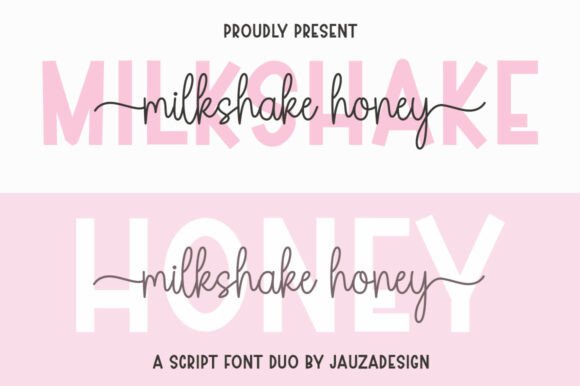
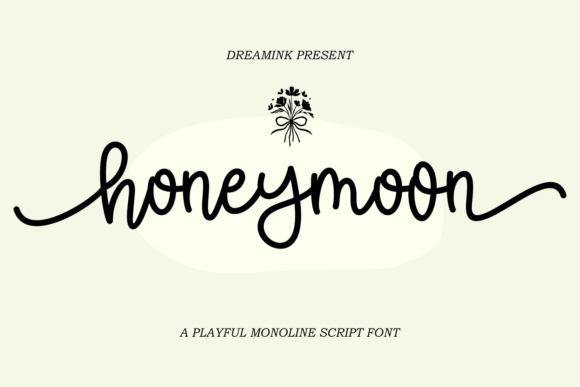
Every design tells a story, and sometimes the most powerful stories are whispered through the curves of a letterform. There's a particular feeling you get when you see typography that just feels right—warm, inviting, and unmistakably human. That's exactly what Honeymoon delivers as a playful monoline script font, and it's why so many creatives are reaching for it when their projects need that extra layer of emotional connection.
A Typeface Built on Feeling
What sets Honeymoon apart from the hundreds of script fonts flooding design marketplaces? It starts with intention. This wasn't designed to be another generic handwritten typeface tossed into the mix. The smooth flowing strokes carry a natural rhythm, almost like someone sat down with a quality pen and wrote out each letter with genuine care. The balanced handwritten style avoids two common pitfalls that plague many script fonts: it's neither too sloppy to read nor so rigid that it loses personality.
The clean, consistent line weights give Honeymoon a modern yet friendly appearance that works across different sizes and formats. Zoom it up for a hero banner on a wedding website, or shrink it down for a product label—either way, the soft curves and natural connections between letters hold together beautifully. That kind of versatility matters more than most people realize, especially when you're working on projects that need to function across multiple touchpoints.
From a visual communication standpoint, Honeymoon occupies a sweet spot. It's elegant without being stuffy. It's playful without crossing into childish territory. That balance makes it a genuinely useful addition to any designer's toolkit rather than a novelty font you download once and forget about.
Where This Font Truly Shines
Let's talk practical applications, because a font is only as good as what you can actually do with it. Honeymoon proves its worth across an impressive range of creative projects, and understanding where it fits best will help you get the most out of it.
Wedding and Event Invitations remain the most obvious use case, and for good reason. The romantic, celebratory quality of Honeymoon makes it a natural fit for save-the-dates, ceremony programs, menu cards, and thank-you notes. Pair it with a clean sans serif font for the details, and you've got an invitation suite that feels cohesive and polished without hours of agonizing over typography choices.
Brand Identity and Logo Design is where things get interesting. Small businesses in lifestyle, beauty, food, and wellness spaces often struggle to find a script font that communicates warmth while still looking professional. Honeymoon fills that gap. Think about a boutique bakery logo, a handmade candle brand, or a personal coaching business—these are contexts where a handwritten feel builds trust and approachability. The font's readability at various sizes means your logo will work on a storefront sign just as well as it does on a tiny favicon.
Packaging Design benefits enormously from typography that creates an emotional response on shelf. When a customer picks up a product, the font on the label is doing silent persuasion work. Honeymoon's graceful handwritten feel can make artisan products feel more premium, gift items feel more personal, and food products feel more homemade—in the best possible way.
Social Media Graphics and Digital Content demand fonts that grab attention in a split second while remaining legible on small screens. Instagram stories, Pinterest pins, Facebook headers, and quote graphics all benefit from a typeface that stands out in a crowded feed. The charm and elegance of Honeymoon make it particularly effective for engagement-driven content where you want followers to pause their scrolling.
Website Design and Blog Headers present another strong opportunity. While you wouldn't set an entire blog post in a script font, using Honeymoon for section headers, pull quotes, or hero text on landing pages adds visual interest and breaks up the monotony of body copy. It's especially effective on portfolio sites, lifestyle blogs, and e-commerce pages where personality is part of the brand promise.
Print Materials and Editorial Layouts still matter, despite what the "print is dead" crowd might say. Magazine features, lookbooks, brochures, posters, and flyers all benefit from display typography that commands attention. Honeymoon works beautifully as a headline or accent font in editorial design, especially when the content revolves around lifestyle, fashion, food, or travel themes.
Merchandise, DIY Crafts, and Marketing Assets round out the list. T-shirt designs, tote bags, mugs, stickers, greeting cards, and seasonal promotions all benefit from a font that feels handcrafted. For small business owners who create their own marketing materials, having a reliable script font like Honeymoon in your library saves time and delivers consistent results.
Making Typography Work for Your Brand
Choosing the right font style goes beyond picking something that looks pretty. The typography you select communicates your brand's personality before anyone reads a single word of your copy. A mismatched font can create cognitive dissonance—a luxury spa brand using a grungy display font, for instance, sends confusing signals to potential customers.
Honeymoon works best when you understand its personality and match it to projects that share those qualities. It's warm, romantic, joyful, and celebratory. If your project involves any of those emotional territories, you're in the right neighborhood. If you're designing for a corporate law firm or a cybersecurity company, you'll want to reach for something else entirely. That's not a limitation; that's good design thinking.
Font pairing is where many designers, especially those newer to typography, struggle. Here's a practical approach: use Honeymoon for display purposes—headlines, titles, hero text, logo marks—and pair it with a straightforward serif font or sans serif font for body copy and supporting information. The contrast between the expressive script and a more neutral companion creates visual hierarchy and keeps your layouts readable. Test several pairings before committing. What looks good in your design software might feel different when you see it at actual size on the intended medium.
Readability considerations deserve honest attention. Script fonts, even well-designed ones like Honeymoon, are best reserved for short-form text. Long paragraphs set in any script typeface become exhausting to read. Use it strategically where impact matters most, and let your secondary typography handle the heavy lifting of extended copy.
Review the included font styles and character sets before starting a project. Understanding what alternates, ligatures, or stylistic variations are available helps you make the most of the typeface and avoid discovering mid-project that you're missing a character you need. Commercial licensing is another practical consideration—make sure the license covers your intended use, whether that's client work, merchandise, digital products, or print-on-demand platforms.
Visual consistency across your brand materials builds recognition over time. When customers see the same typeface used thoughtfully across your website, packaging, social media, and printed materials, it creates a cohesive identity that feels intentional and trustworthy. That consistency is one of the most overlooked benefits of investing in a quality premium font rather than relying on whatever default options come bundled with your design software.
Bringing It All Together
The best design decisions come from understanding both the tools you're using and the people you're designing for. Honeymoon isn't trying to be everything to everyone, and that's precisely what makes it effective. It knows what it is—a charming, elegant, joyful script font—and it delivers on that promise consistently.
Whether you're a freelance designer building out a client's brand identity, a small business owner creating your own packaging and social media graphics, or a content creator looking for typography that makes your work feel more polished and intentional, having a versatile creative font like Honeymoon in your collection gives you options. It's the kind of design asset you'll return to again and again, not because it's trendy, but because it genuinely works.
Take the time to experiment with it. Set some headlines. Mock up a few layouts. Try different pairings. See how it behaves at various sizes and on different backgrounds. The more familiar you become with its personality and capabilities, the more confidently you'll deploy it in projects that matter. Good typography doesn't just decorate—it communicates, connects, and leaves a lasting impression. That's exactly what Honeymoon was built to do.