Happy Brush: The Hand-Painted Typeface That Brings Joy to Every Design
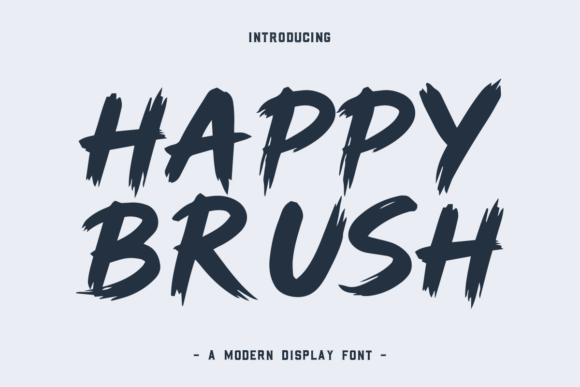
There’s something undeniably magnetic about hand-lettering. It carries a human touch, a sense of spontaneity that polished digital fonts sometimes struggle to replicate. Happy Brush captures that magic beautifully. This lively brush stroke typeface brings a playful splash of personality to any project, blending the warmth of natural hand-painted lettering with the reliability of a digital font. Its smooth, flowing strokes and organic textures create a friendly, approachable feel that can instantly brighten everything from a social media post to product packaging.
What Makes This Typeface So Visually Appealing?
Happy Brush strikes a rare balance between casual and stylish. The slightly imperfect lines and energetic rhythm give it character without sacrificing readability. Unlike rigid, formal fonts, this typeface feels alive—like someone just painted the letters moments ago. The brush strokes vary naturally in thickness, mimicking the way a real brush moves across paper or canvas. This organic quality makes it perfect for designs that need to feel authentic, human, and full of charm.
When you look at the details, you’ll notice subtle texture variations within each letterform. These aren’t random imperfections—they’re intentional design choices that add depth and visual interest. The result is a typeface that feels handcrafted without looking messy. Whether you’re designing a wedding invitation or a bold poster, Happy Brush delivers that fresh, joyful aesthetic that catches the eye and holds attention.
Where Happy Brush Really Shines: Real-World Applications
One of the greatest strengths of this brush stroke font is its versatility. It adapts beautifully across a wide range of creative and commercial projects, making it a valuable addition to any designer’s toolkit.
Branding and Logo Design
For brands that want to project warmth, creativity, and approachability, Happy Brush is a natural fit. A bakery, a boutique fitness studio, a children’s clothing line, or a handmade goods shop could use this typeface to create a logo that feels personal and inviting. It works especially well for businesses that emphasize craftsmanship, community, or a fun-loving spirit. The handwritten quality helps build an emotional connection with customers right from the first glance.
Packaging and Product Labels
Imagine a jar of artisanal honey or a box of organic tea with Happy Brush on the label. The font’s organic textures complement natural, handmade, or gourmet products perfectly. It adds a layer of authenticity that sterile, corporate fonts simply can’t achieve. For small business owners creating their own packaging, this typeface offers a professional yet personal touch that helps products stand out on crowded shelves.
Social Media Graphics and Digital Content
Scroll-stopping social media posts often rely on bold, expressive typography. Happy Brush brings energy and personality to Instagram quotes, Facebook promotions, Pinterest pins, and TikTok overlays. Its lively character makes text-heavy graphics feel less like advertisements and more like conversations. Content creators and marketers can use it to inject personality into their feeds, helping their posts feel more relatable and shareable.
Invitations and Event Materials
Wedding invitations, baby shower announcements, birthday party flyers—these are all moments where a personal touch matters. Happy Brush adds just the right amount of whimsy and elegance to event materials. It pairs beautifully with floral illustrations, watercolor backgrounds, and other decorative elements, creating a cohesive look that feels thoughtfully designed.
Merchandise and Print-on-Demand
Tote bags, mugs, t-shirts, and stickers all benefit from fonts that have personality. Happy Brush’s hand-painted aesthetic translates beautifully to merchandise, giving products a boutique feel. Entrepreneurs running print-on-demand shops can use this typeface to create designs that feel unique and artistic, helping their products stand out in a competitive marketplace.
Websites, Blogs, and Editorial Layouts
While brush fonts aren’t typically used for body text, Happy Brush works wonderfully for headlines, pull quotes, and section dividers on websites and in editorial layouts. It adds visual variety and breaks up the monotony of standard web typography. Bloggers can use it for post titles or featured quotes, while magazine designers might incorporate it into lifestyle or food editorials for a fresh, contemporary look.
Pairing Happy Brush with Other Fonts
A single typeface rarely does all the heavy lifting in a design. The key to using Happy Brush effectively is pairing it with complementary fonts that handle the more functional aspects of your layout.
Since Happy Brush is a display font with strong personality, it works best alongside simpler, more neutral typefaces. A clean sans serif font like Montserrat or Open Sans provides excellent contrast and ensures body text remains easy to read. If you prefer a slightly softer look, pairing it with a classic serif font like Lora or Playfair Display can create an elegant yet approachable combination.
The general rule is to let Happy Brush be the star. Use it for headlines, logos, or accent text where its character can shine, then let a more understated font handle paragraphs and smaller text. This approach maintains visual hierarchy while keeping your design feeling balanced and professional.
Practical Tips for Getting the Most Out of This Font
Before diving into a project, take a moment to explore the full range of styles included with Happy Brush. Many premium fonts come with alternate characters, ligatures, or stylistic variations that can add even more creative flexibility. Experimenting with these options helps you find the perfect look for your specific project.
Readability should always be a priority, especially for smaller text sizes or longer passages. While Happy Brush is highly legible at larger sizes, it’s best reserved for display use rather than body copy. Test your designs at the actual size they’ll be viewed—what looks great on a large monitor might not translate well to a mobile screen or a printed business card.
Font licensing is another important consideration, particularly for commercial projects. Happy Brush is a commercial font, so make sure you understand the terms of the license before using it in client work, merchandise, or widely distributed materials. Most font licenses cover a specific number of users or projects, so review the details to ensure you’re covered.
Finally, always view your typography in context. A font that looks stunning in isolation might not work as well once it’s combined with images, colors, and other design elements. Print out samples, mock up designs, and get feedback from others before finalizing your choices.
Why Handcrafted Typography Still Matters
In an era of sleek minimalism and algorithm-generated content, handcrafted design elements like Happy Brush remind us that authenticity resonates. People connect with things that feel real, imperfect, and human. This typeface taps into that desire, offering a bridge between the warmth of hand-lettering and the consistency of modern typography.
Whether you’re building a brand from scratch, refreshing your social media presence, or designing packaging for a new product, the right typeface sets the tone for everything that follows. Happy Brush brings a sense of joy and spontaneity that’s hard to fake with more conventional fonts. It’s not just a design asset—it’s a way to communicate personality, build recognition, and make your audience smile.