Classroom: The Monoline Script for Modern Branding
There's a particular kind of charm in a font that feels both familiar and fresh, like a favorite teacher's handwriting elevated to an art form. It strikes a balance between approachable warmth and crisp professionalism—a rare quality that can define a brand's entire visual personality. This is the space where Classroom lives. More than just a script font, it’s a versatile design asset built for creators who want their work to feel authentic yet polished. With its consistent, single-weight strokes and a rhythm that suggests careful penmanship, it captures the spirit of youthful creativity without sacrificing the clean legibility needed for modern applications. Whether you're building a brand from scratch or refreshing your visual toolkit, understanding how to harness a font like this can be a game-changer.
A Typeface with Personality and Purpose
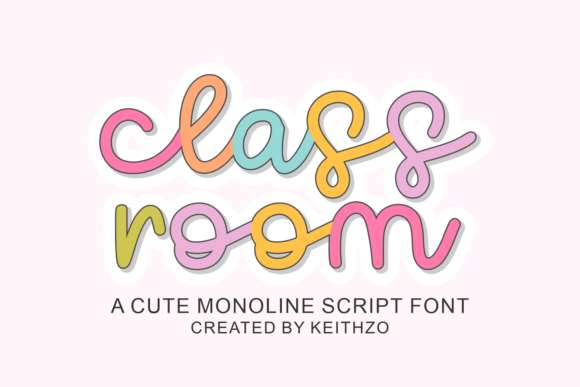
What sets a premium font like Classroom apart isn't just its aesthetic; it's its engineered consistency. The term "monoline" is key here. Unlike script fonts where stroke thickness varies dramatically to mimic a brush or nib, Classroom maintains a uniform line weight. This isn't just a stylistic choice—it's a practical one. This uniformity is what grants it superlative legibility, even at smaller sizes or on busy backgrounds. You can use it for a social media graphic's headline or the fine print on a boutique product tag, and it remains clear and confident.
The personality of this typeface is its greatest asset. It walks a delicate line, avoiding the overly casual look of many handwritten fonts while sidestepping the rigidity of a standard sans serif font. This makes it incredibly adaptable. For a children's clothing brand, it feels playful and trustworthy. For an educator creating classroom materials, it's engaging and easy to read. For a wedding stationery designer, it offers a touch of bespoke elegance. It’s this chameleon-like quality, rooted in its modern typography design, that makes it a valuable addition to any designer's library.
From Logo to Packaging: Real-World Applications
The true test of any creative font is how it performs in the wild. Classroom excels in projects where a human touch is desired but clarity cannot be compromised. Consider these practical scenarios:
- Brand Identity & Logo Design: A monoline script creates a memorable and ownable logo mark. For a boutique bakery, a tutoring service, or a handmade jewelry line, it instantly communicates a brand story of care and craftsmanship. Pair it with a simple serif font or a geometric sans serif for body text to create a balanced and professional system.
- Packaging & Labels: On product packaging, legibility is paramount. Classroom’s clear letterforms work beautifully for product names, flavor descriptions, or artisanal branding on everything from coffee bags to cosmetic tubes. It adds a premium, crafted feel that elevates the unboxing experience.
- Digital Presence: In the realm of web design and social media graphics, this typeface can be a standout choice for headlines, quotes, and calls to action. It draws the eye without being distracting, making it perfect for Instagram stories, Pinterest pins, or a blog's featured image. Its consistency ensures your visual branding remains cohesive across all digital platforms.
- Print & Editorial: Think beyond digital. This font is ideal for editorial design in magazines, book chapter headings, or poster layouts. It brings a dynamic, personal element to formal print materials. For packaging design on a larger scale, like a boutique bag or a gift box, it makes a striking impression.
Making It Work: Practical Tips for Designers and Creators
Integrating a distinctive display font into your projects requires a thoughtful strategy. Here’s how to use Classroom effectively to strengthen your visual communication.
Font Pairing is Everything. A script font, even a clean one, should rarely stand alone for large blocks of text. The magic happens in the pairing. For a professional, balanced look, combine Classroom with a neutral, highly readable sans serif font like Montserrat or Lato for body copy. This creates a clear hierarchy and ensures your message is both beautiful and accessible. For a more classic or editorial feel, pair it with a traditional serif font like Georgia or Playfair Display.
Context is Key. Always test your chosen typography in its intended environment. View it on a mobile phone screen, print a sample on the actual paper stock you’ll use, or mock it up on a product photo. This real-world testing reveals issues with spacing, size, and contrast that are easy to miss on a blank artboard. Pay close attention to readability considerations—what looks elegant at 72pt on your monitor might become an illegible squiggle at 12pt on a business card.
Explore the Full Toolkit. A well-designed commercial font often comes with more than just the basic alphabet. Check for included alternates, ligatures, or swash characters. These extra glyphs allow you to customize letterforms, creating unique connections or flourishes that make your text feel even more bespoke. This is where a good font transitions from a tool to a true design asset.
Licensing for Growth. If you’re a small business owner or entrepreneur, understanding font licensing is crucial. A font like Classroom, designed for commercial use, is an investment in your brand's future. Ensure you select the correct license for your needs—whether for a single client project, your own brand’s merchandise, or unlimited digital and physical products. This foresight protects you legally and allows your brand to scale seamlessly.
Building a Cohesive Visual Story
Ultimately, typography is a fundamental pillar of your brand's identity. The fonts you choose send immediate, subconscious signals to your audience. A font like Classroom, with its blend of approachability and refinement, helps build brand recognition and fosters a connection with your viewers. It tells a story of creativity grounded in quality. By applying it consistently across your marketing assets—from your website header to your email newsletter, from your product packaging to your social media posts—you create a unified and professional presentation that builds trust.
The goal isn't to find a single font that does everything, but to assemble a cohesive type system where each element plays its part. In that system, a versatile script font like this one becomes your secret weapon for adding personality, emphasis, and a human touch. It’s the element that can make a digital product feel tangible, a social media post feel personal, and a brand feel genuinely crafted. In a world saturated with generic visuals, that authentic touch is what makes a design—and a business—memorable.